Where do plants get nutrients? Roots are only part of the system
Plants absorb water and mineral ions through roots. Soil biology influences how nutrients change, circulate and become available.
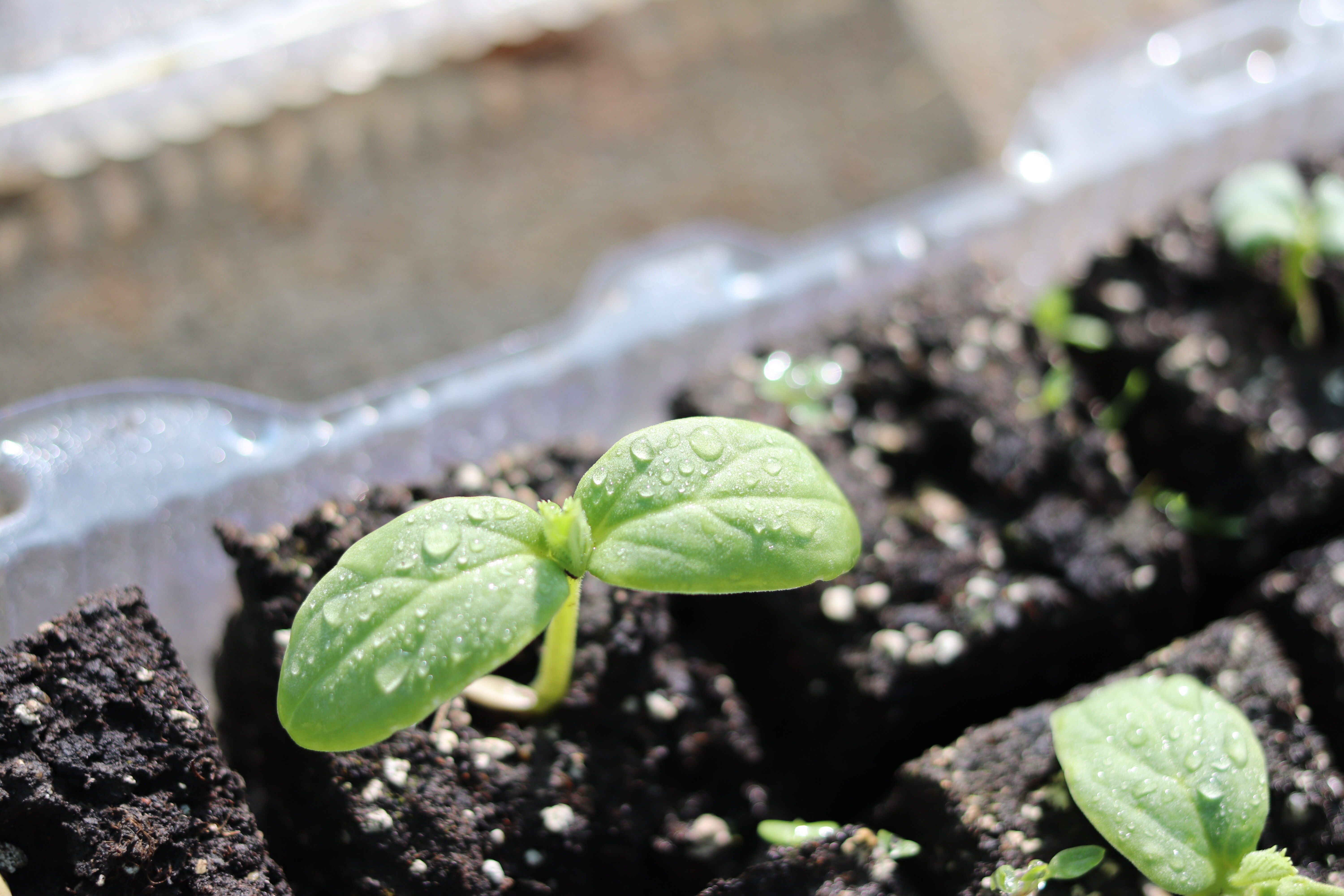
Plants obtain most of their carbon from carbon dioxide in the air, energy from sunlight, and water and dissolved mineral ions through their roots.
Soil biology does not replace nutrient uptake by roots. It influences nutrient transformations, cycling and availability around the roots.
What roots absorb
Roots absorb cations—such as potassium, calcium and magnesium ions—and anions, including nitrate, phosphate and sulphate.
Not every nutrient present in soil is available to a plant at a given moment. Some are bound in organic matter, minerals or the bodies of organisms.
What microorganisms do
Bacteria and fungi help break down organic matter and transform nutrients.
During mineralisation, organic compounds are converted into mineral forms. Some microorganisms also help mobilise nutrients bound in the soil.
Plants also feed the system
In the rhizosphere, roots release carbon compounds that microorganisms use.
A plant is therefore more than a passive recipient of nutrients. It changes the biological environment immediately around its roots.
Mycorrhizal fungi extend the reach into soil
Mycorrhizal fungi form relationships with roots. Their threads reach spaces that roots alone cannot access as easily.
This can improve access to water and certain nutrients, especially where conditions allow the partnership to work well.
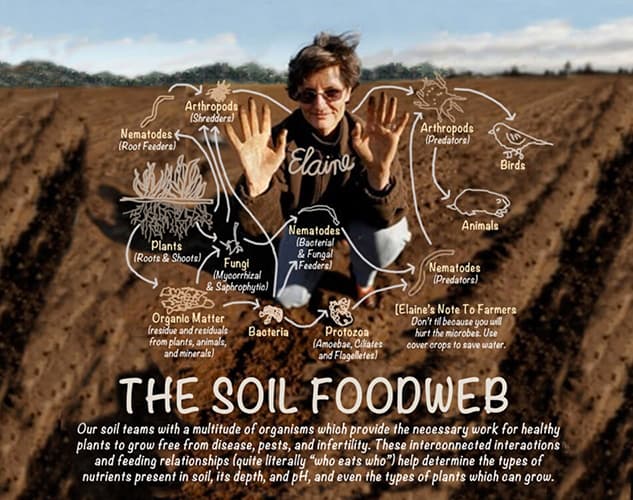
The food web keeps nutrients cycling
Bacteria and fungi hold nutrients in their bodies. One way these nutrients are released again is through protists and nematodes feeding on microorganisms.
This is only part of the system, but it clearly shows the difference between “a nutrient is in the soil” and “a nutrient is circulating in a biologically active environment”.
Read more: What is the soil food web? and Can fertiliser replace soil life?.
Sources
- USDA NRCS, Soil Biology Primer
- USDA NRCS, Soil Health Management