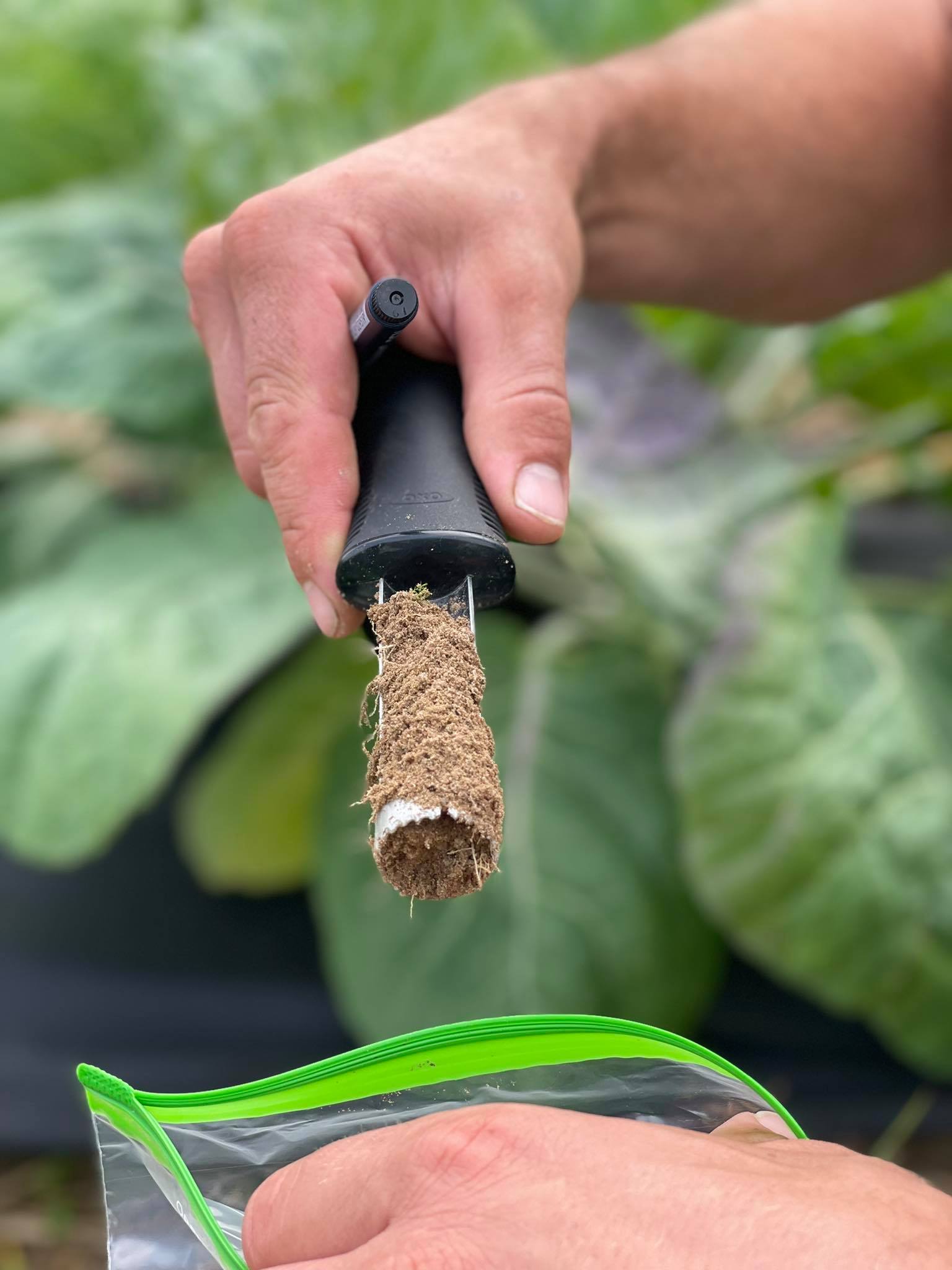
Can fertilizer replace soil biology?
Fertilizer can supply nutrients, but it does not replace decomposition, nutrient cycling, root–microbe interactions or the biological contribution to soil structure.

Fertilizer can supply nutrients. It does not replace the biological processes that happen in soil: decomposition, nutrient cycling, the influence of organisms on soil structure, and the interactions between roots and microbes in the rhizosphere. Chemistry, physics and biology work together, and fertilizer addresses only one part of that system.
What fertilizer can do
Fertilizer adds nutrients to the soil. If a crop lacks a nutrient, adding it can be a reasonable response.
But a nutrient in the soil is not the same as a nutrient the plant can use. According to USDA NRCS, nutrient availability to plants is shaped by chemical, physical and biological processes. Fertilizer provides the nutrient, while the soil determines what happens to it next.
None of this means fertilizer is a mistake or can simply be dropped. It means fertilizer is one tool, not a full substitute for how soil works.
What soil organisms do
According to USDA NRCS, soil organisms are central to decomposition and nutrient cycling. Decomposition is the breakdown of dead organic material. Nutrient cycling means nutrients keep moving through organisms and soil rather than being a one-time delivery.
Soil organisms also affect soil structure and water availability. Fertilizer does not perform these functions. Structure and water influence how roots grow and what they can reach.
This does not mean microbes alone provide everything a crop needs. Soil biology works alongside soil chemistry and physics, not instead of them.
What the rhizosphere is
The rhizosphere is the zone around living roots where microbial activity is concentrated, as described by NRCS.
Living roots release organic compounds. These compounds are resources for microorganisms, which is why activity is concentrated there. The plant feeds organisms near its roots, and those organisms are part of the processes that shape its environment.
Fertilizer applied to soil does not create this root–microbe exchange. It happens where living roots and microorganisms interact.
Why a nutrient value is not the same as plant availability
A chemical soil test is useful, but it does not necessarily measure the total amount of a nutrient in the soil. The result depends on the analytical method, the extraction used and the test package. Two tests can answer slightly different questions.
Even a well-chosen test describes the soil chemistry. It does not, by itself, show how biological and physical processes are affecting whether a nutrient reaches the plant. Reading a number correctly means knowing what the method measures and what it leaves out.
That is why the same fertilizer can perform differently in different soils, and why a low or high value on a report is the start of a diagnosis, not the end.
Conclusion
Fertilizer supplies nutrients. Soil organisms, the rhizosphere and soil structure influence what happens to those nutrients and whether plants can use them. The useful question is not “fertilizer or biology?” but how the two interact in a given soil.
If you want to learn how to approach that question in practice, start with Living Soil Shortcut.