Turning compost on the farm: the decision starts inside the pile
Why turn a large compost windrow, and what determines the timing? Temperature, moisture and material structure help guide the decision.
Turning loosens and mixes compost and helps air reach inside the pile. Timing depends on temperature, moisture, structure and the stage of composting. One fixed interval between passes does not suit every pile.
With several large windrows, it is easy to organise work around tractor availability. Start instead with what is happening in the material. Two piles started on the same day may behave differently if their composition or moisture differs.
Air needs space
Organisms carrying out aerobic decomposition use air between pieces of material. When wet material compacts, those spaces disappear. A turner loosens it and mixes parts that previously had different conditions.
One pass cannot solve every problem. If the material stays too wet and compacts easily, limited air access may soon return. Assessment of structure and moisture therefore goes alongside the decision to use the machine.
Observe changes, not a single reading
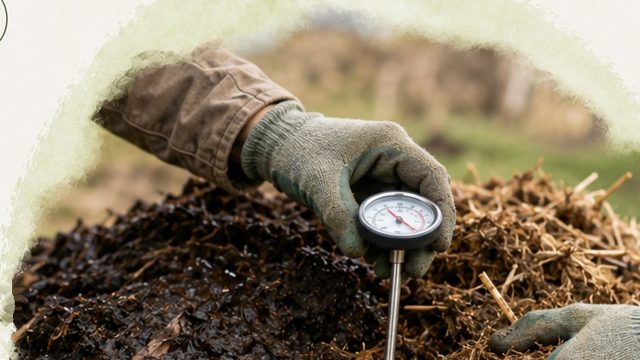
Temperature reveals part of what is happening. Its change over time matters, as does whether different parts behave similarly. Moisture, smell and whether material is loose or compacted add to the picture.
Keep a short record for each windrow: materials, starting date, observations and actions. At the next pass, it shows how the pile responded previously. This is more useful than assuming every windrow needs identical treatment.
A cold pile also needs its cause identified. Read about compost that does not heat up.
Plan for maturation too
After the intensive phase, compost continues maturing. Falling temperature or dark colour alone does not establish readiness for use. Assessment takes account of the process and the intended application.
Our horse manure composting series shows changes in smell and appearance, plus life under the microscope. The 21 days shown are one stage in that observed transformation, not a universal deadline for finished compost.
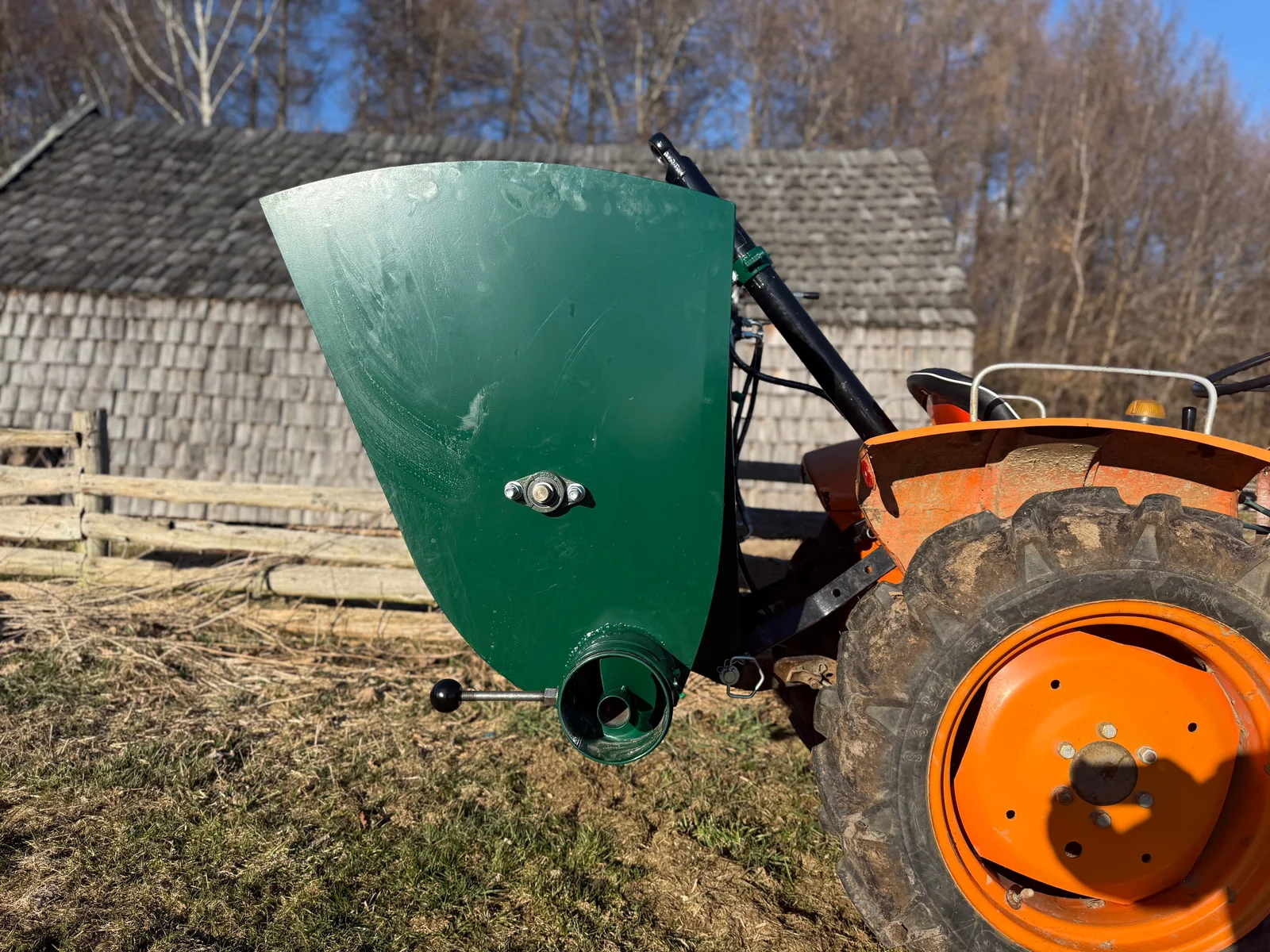
Our Polish course Żywa Gleba Krok po Kroku connects observations with composting decisions; Living Soil Shortcut offers learning in English. If managing large piles takes too much time, explore farm compost turners.