Kiss the Ground: a starting point, not a handbook
Kiss the Ground shows why soil matters for farming, water and the carbon cycle. Treat it as an introduction, not scientific proof or a ready-made method.
Kiss the Ground does one thing well: it shows people who have never thought much about soil that what happens below the surface matters for farming, water and the carbon cycle.
We recommended the film at BioFarmLab back in 2021. It is still worth watching, with the right expectations.
What the film does well
Soil regeneration is difficult to show because its most important processes happen underground and often take years.
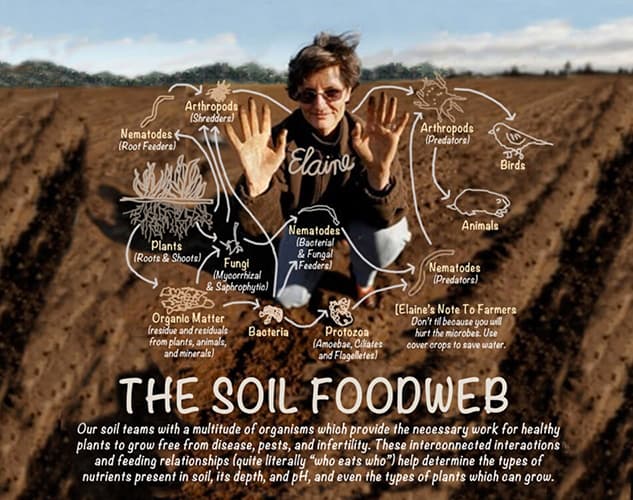
The film turns this into images: roots, soil structure, farms and practices intended to rebuild soil functions. It makes clear why soil is more than a growing medium to which fertiliser is added.
What the film cannot settle
A documentary is not a review of scientific studies.
It should not be the basis for:
- treating particular carbon sequestration figures as universal,
- assuming one practice works identically in every climate and soil,
- copying a farming system without examining local conditions.
If the film sparks interest in water retention, nutrient cycling, soil structure or microorganisms, the next step is to explore sources on that particular mechanism.
Why we still recommend it
As a first encounter with regenerative farming, it works very well. It leaves viewers with more than a list of problems: it shows that soil conditions can change.
Then the practical work begins: understanding processes, observing your own ground and finding out what really works in that place.
Sources
- Kiss the Ground, documentary film
- BioFarmLab, original “KISS THE GROUND” post, 25 July 2021