
Biological compost testing: the life you bring to your soil
What a microscopic compost assessment reveals about bacteria, fungi, protozoa and nematodes in homemade or purchased compost.
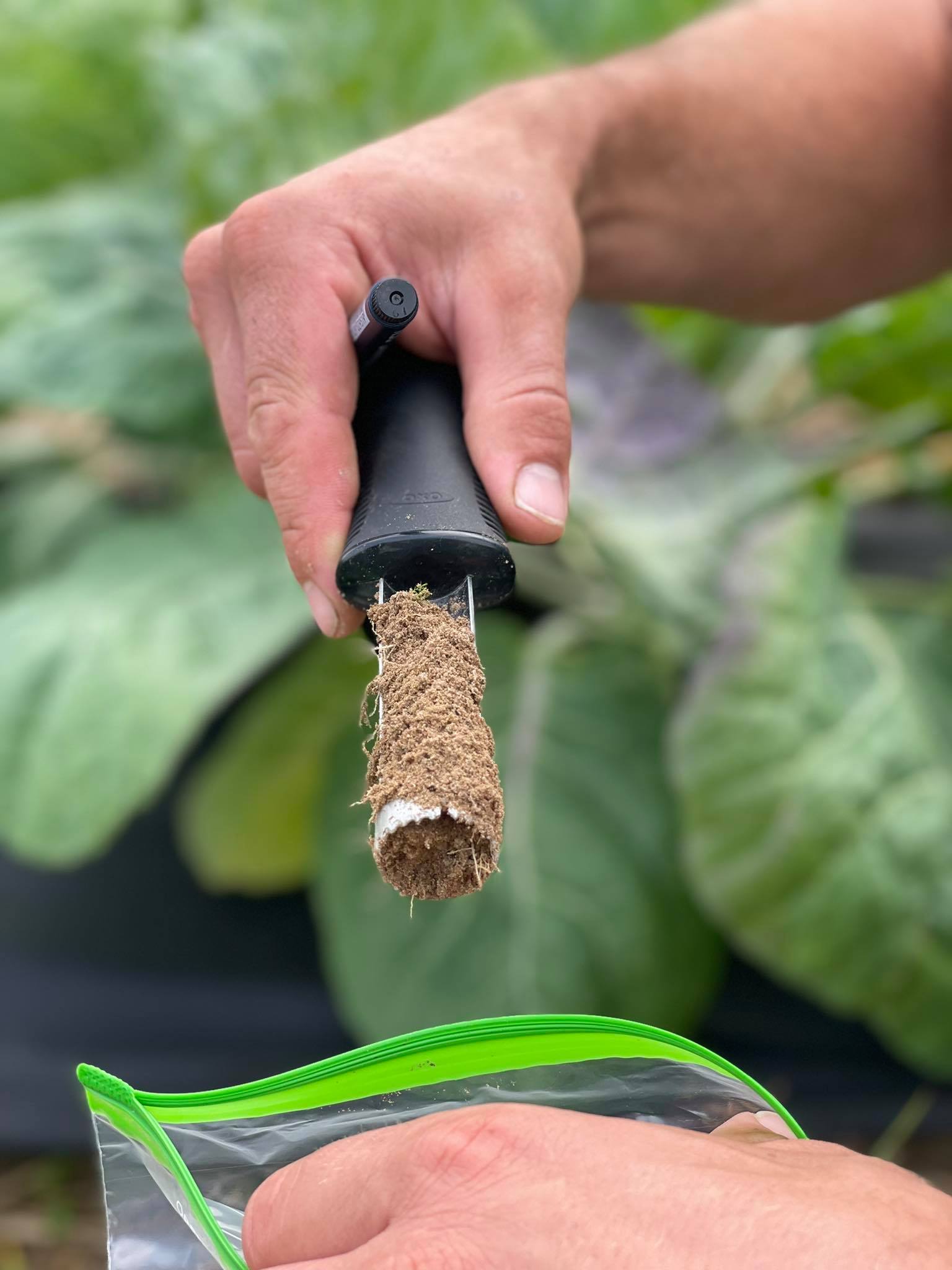
Biological compost testing shows which groups of organisms are present in a sample and in what quantities. In our laboratory, we assess bacteria, fungi, protozoa and nematodes, together with the relationships between them. We examine the material as it is now; its original ingredients and production history are not required for this assessment.
You can therefore test compost from your own pile as well as material you have bought or received. This is particularly useful when you intend to use it to restore soil life and want to know which organisms you will actually introduce.
What we examine under the microscope
Bacteria and fungi help break down organic matter. Protozoa and some nematodes feed on other microorganisms, moving nutrients through the soil food web. These groups perform different roles, so simply knowing that compost contains bacteria tells us little about its biological value.
We assess the presence and quantities of the different groups and the ratio of bacteria to fungi. This reveals which parts of the food web are present and which are scarce in the sample. Compost colour and smell cannot reveal these differences.
The result describes the material sent to the laboratory
For the result to describe your batch well, the sample must represent it. Material from the surface can differ from that inside the pile. We therefore collect compost from several locations and depths, following our sampling instructions.
To compare two batches, prepare two separate, labelled samples. This shows how their biology differs. Mixing both materials in one bag would produce a result for the mixture and make each batch harder to assess.
Plan shipping alongside sampling. The organisms remain alive, so storage conditions and time affect the material we later examine.
What biological assessment adds before use
The result helps assess whether compost contains the organisms you need to restore soil life. It is also useful when material looks good but you want to check its biology before spreading it over a larger area or using it for a compost extract.
The assessment has a defined scope: examining the soil food web does not test for herbicide residues or confirm the absence of all pathogens. For recognising mature material, read “When is compost ready to use?”.
Contact our laboratory about compost testing (page in Polish) to assess the biological quality of your batch. If you want to produce valuable compost yourself, our Living Soil Shortcut course connects pile management with assessing the material and using it in the soil.
