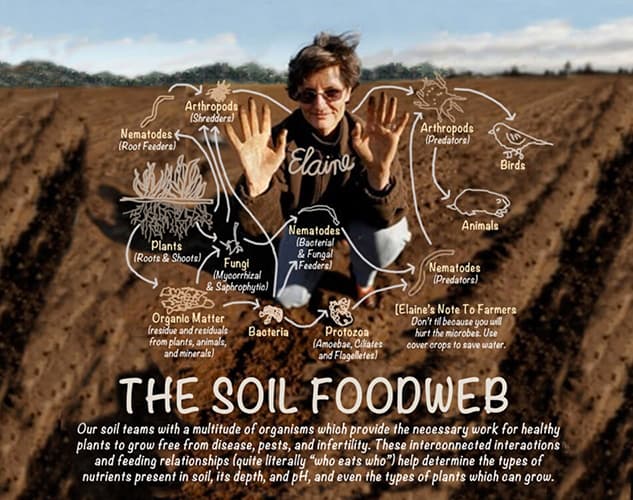
How to collect soil, compost and liquid samples for biological testing
A sample should represent the material or place you want to assess. Collection differs for soil, compost and liquids.
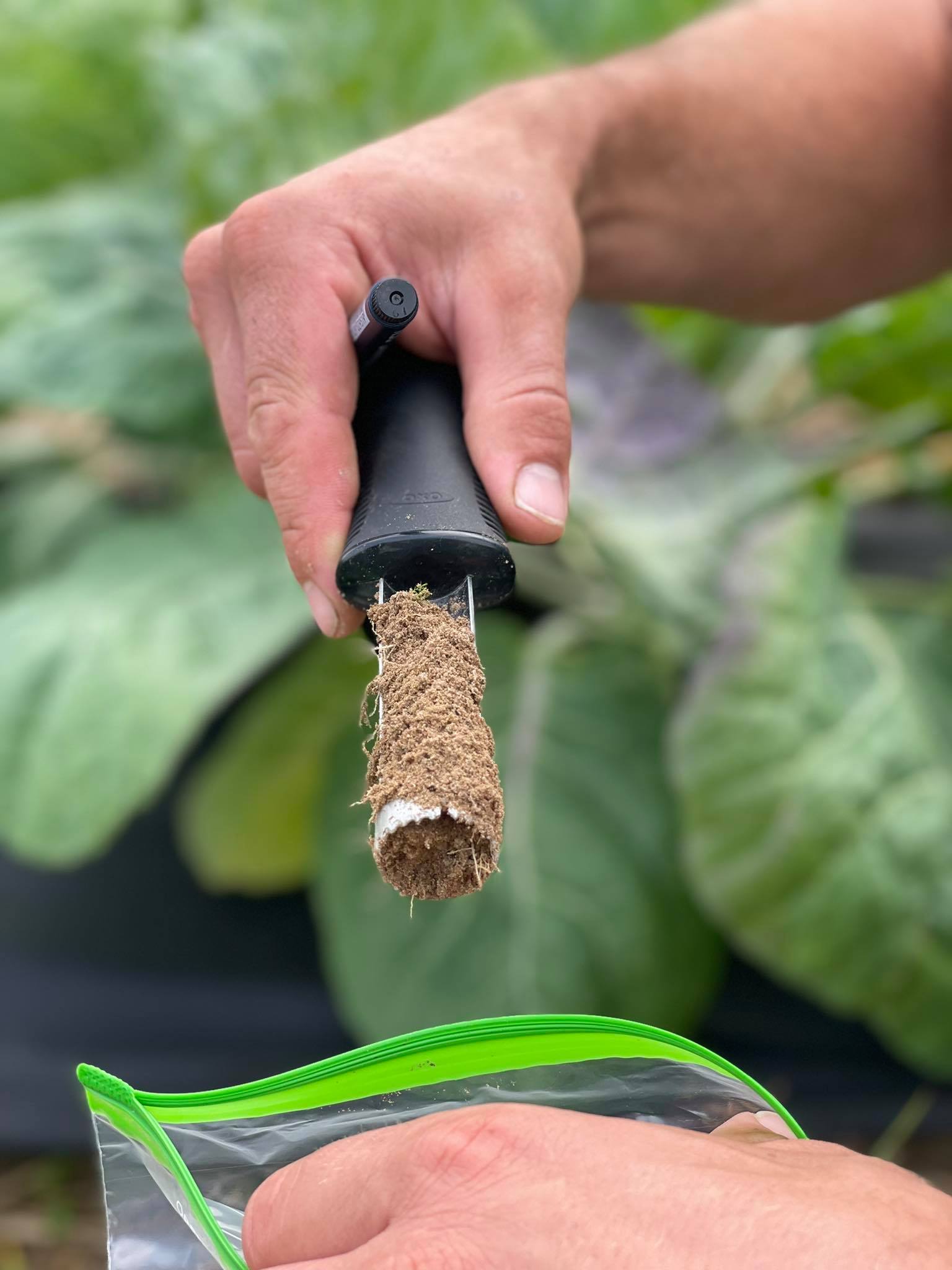
The key point is simple: the laboratory tests the sample it receives, so it must represent the material or place you want to assess as closely as possible.
Compost
- Take around 40 g from each of five different parts of the pile, at different depths. For a larger pile, sample more locations.
- Mix the portions in a resealable zip bag.
- Fill the bag no more than halfway, leaving air inside.
- Label the outside with a permanent marker.
Do not put a paper label inside. Paper adds organic matter and may change conditions in the sample.
Soil from a crop with distinct zones
If one part of a field looks healthy, another poor, and others have particular plants or weeds, do not immediately mix everything into one sample.
- Mark the different areas on a simple map.
- Take several subsamples from each type of area.
- Put material from each type in a separate bag.
- Label bags to match the map.
This lets us compare the biology of places behaving differently.
A ploughed or uniform field
For an overall picture, collect material from many locations spread across the field.
Avoid field edges and clearly unusual spots unless you want to test them separately.
Combine the material into one sample and mix thoroughly.
Highly varied ground
Where terrain, vegetation or management differ substantially, treat each zone as a separate sample.
This reveals differences rather than averaging them in one bag.
Liquid samples
- Pour the liquid into an unbreakable, leakproof container.
- Leave an air space rather than filling it completely.
- Secure the lid.
- Place the container in an additional bag and label it clearly.
Shipping
Send the sample promptly. Biological material changes in storage, so a long journey can alter what was present at collection.
Current ordering and shipping instructions are on the BioFarmLab laboratory page, in Polish.
Sources
- BioFarmLab biological testing sampling procedure
- Original instructions published 15 August 2021