A practical soil biology course: from observation to your own plan
Assess your soil, make compost and plan regeneration. How practical soil biology helps guide decisions in a garden or on a farm.
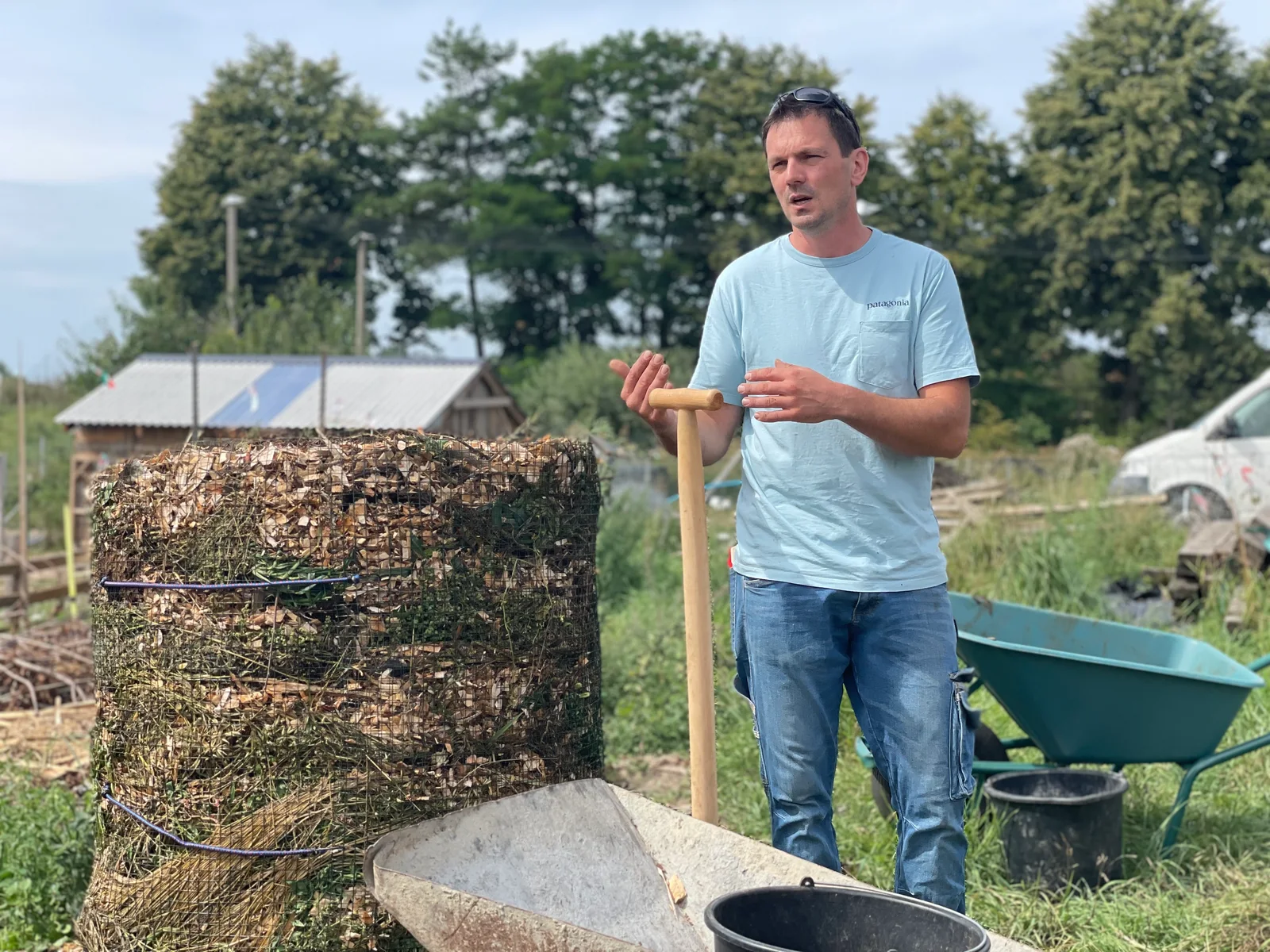
A practical soil biology course should teach you to assess your own ground, make and use biologically rich compost, and check the results. Its value lies in the decisions you can make in your garden or on your farm.
Individual guides answer individual questions. Starting a growing project or changing farm management also requires a sequence: what to check first, where to begin recovery and how to recognise whether your actions help the soil.
A programme should connect the whole process
Look for three connected skills.
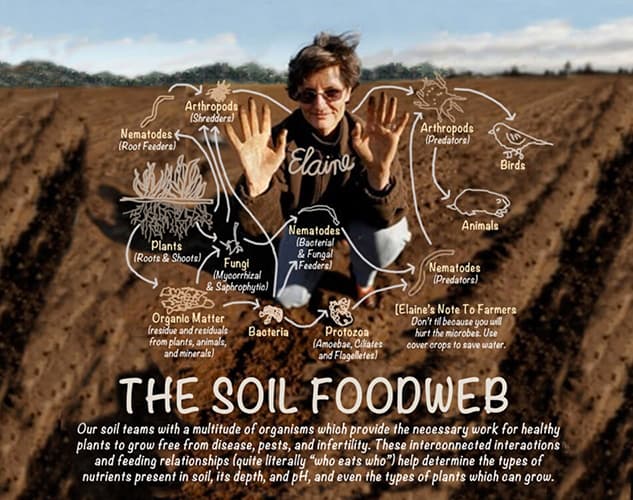
First, recognising soil condition. Plants, roots, structure and the behaviour of water provide a basis for action. Start with our article on identifying soil and compost problems.
Second, working with compost: choosing materials, managing the process, recognising difficulties and applying the result. Good teaching connects these stages, helping use available materials and organise the work. One example is choosing how to use finished compost.
Third, checking change. After acting, return to observation and compare soil conditions. Future decisions then draw on your own experience too.
Tools should support decisions
A compost diary is a useful example. A single temperature reading shows the present moment. Successive readings alongside dates of work reveal how the process unfolds.
Recording turning or moistening lets later readings be related to specific actions. This helps reconstruct events and investigate change. Temperature does not replace other observations, but stops being an isolated number.
Living Soil Shortcut includes a compost diary, a soil assessment radar and a compost materials calculator. They come as spreadsheets, with an app also available for phone use.
Start with your own ground and resources
A microscope is not needed to begin learning. Start with observation and simple field tests. Biological testing can later reveal organisms in a sample when that information is needed.
A programme should also account for scale. A few beds and a farm differ in material, equipment and time requirements. Understanding the process helps adapt the approach.
We run our own farm, examine soil in our laboratory and design compost machinery. We therefore teach work we do ourselves: preparing materials, managing composting and applying compost in crops.
Living Soil Shortcut: learning for your own land
Our English-language course has 28 lessons in five modules, progressing from foundations and diagnosis through composting to regeneration planning. The full programme is available immediately, with lifetime access.
Its purpose is independence: understanding why an action is taken, adapting it to your ground and knowing what to observe next. That helps plan work and spending when starting or developing a farm.
See the Living Soil Shortcut programme to connect soil assessment, compost and recovery planning. For learning in Polish, explore Żywa Gleba Krok po Kroku.